
Billy Joe Wells doesn’t just commemorate Black History Month for 28 days in February. He lives it every single day of the year.
“The country has set aside one month for black history month,” Wells says, “but I live it 365 days.”
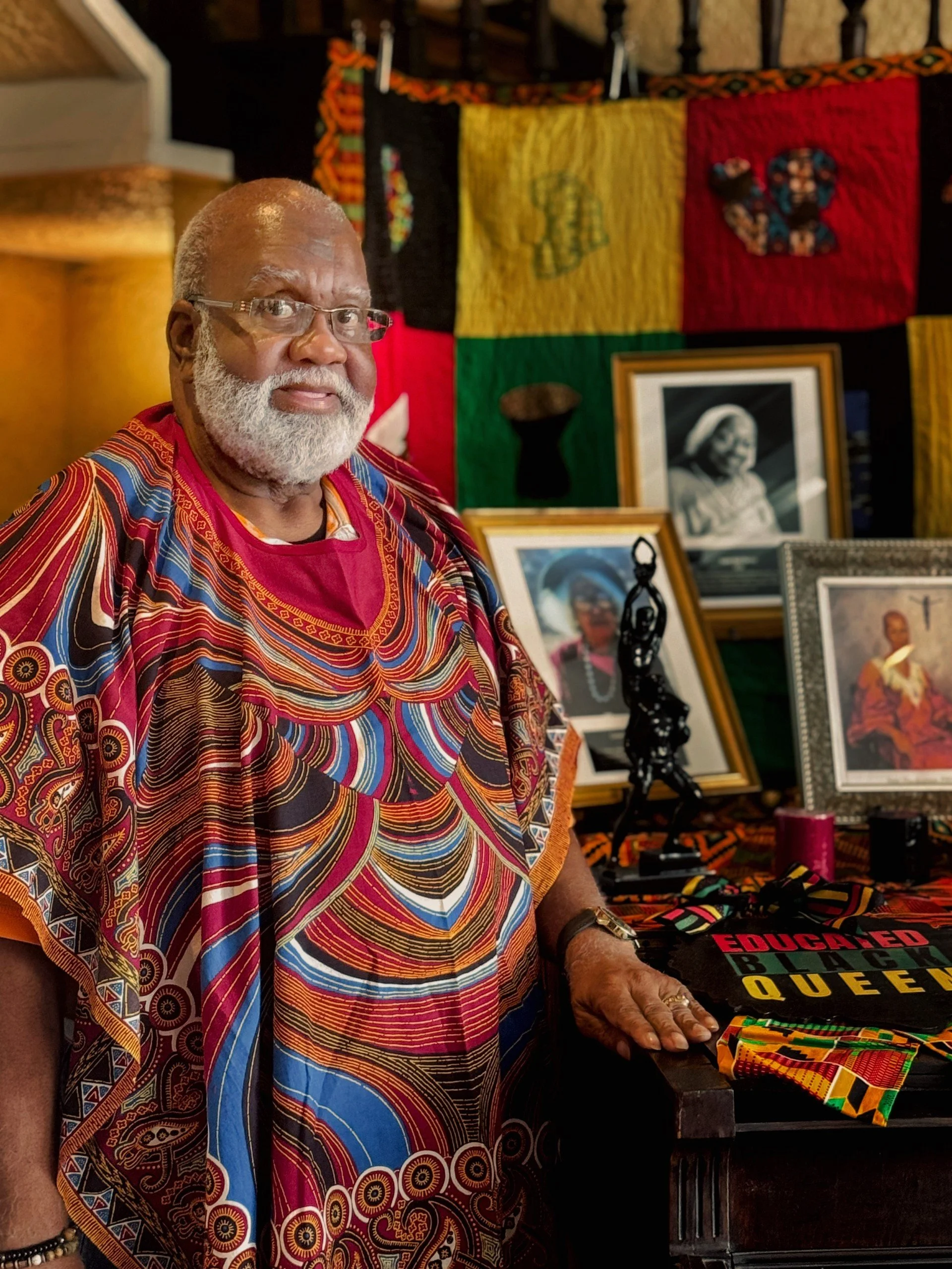
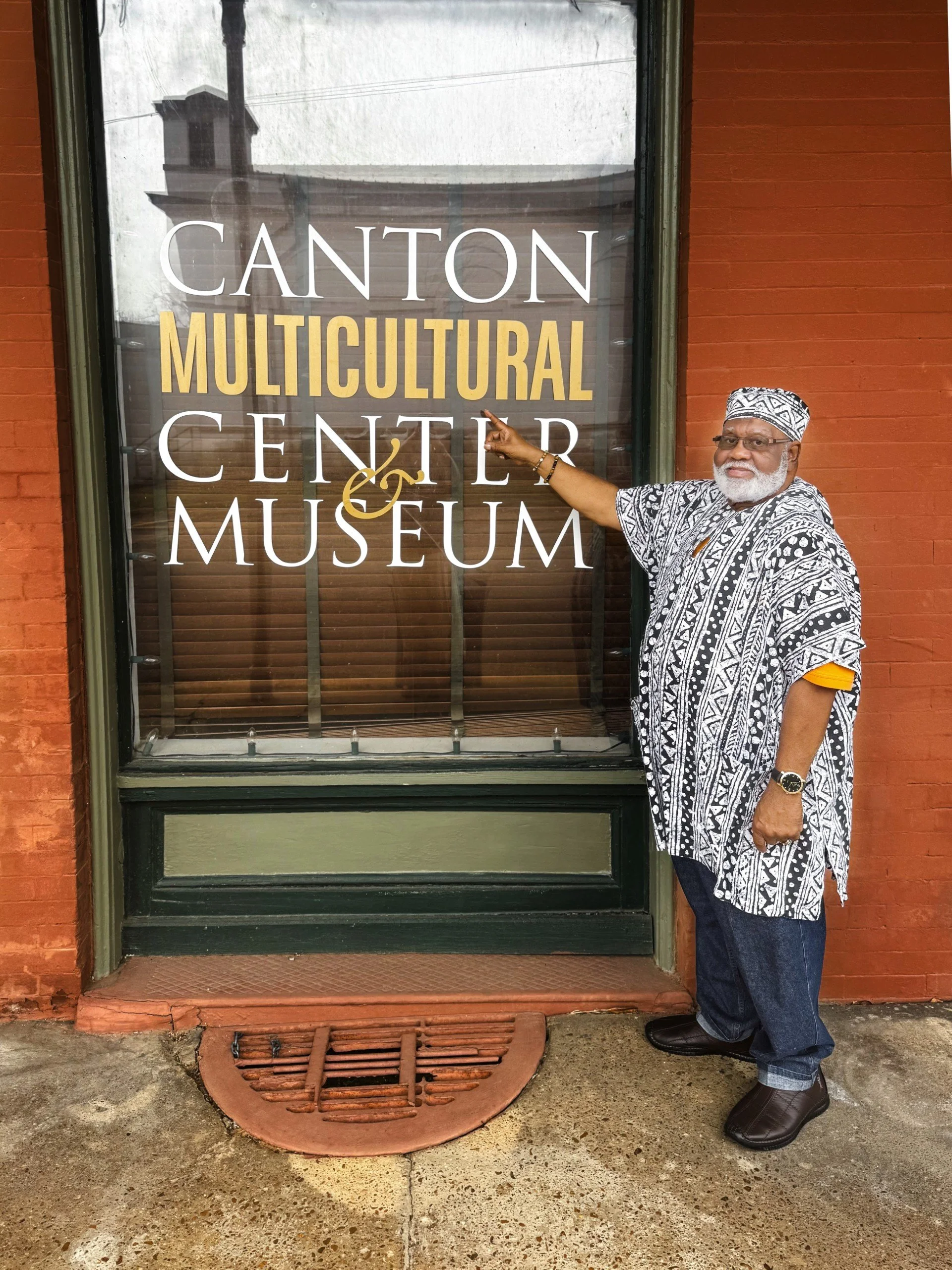
As a tour guide and coordinator at the Canton Multicultural Center and Freedom House Museum, Wells doesn’t simply recount history from textbooks; he embodies it. A retired educator with 37 years in the classroom, a former minister of music at his church, and a Canton native deeply rooted in his community. Wells brings an authentic, personal perspective to every tour he leads, and for good reason.
As a teenager in the 1960s, he attended the Freedom School, which was housed in the very building he now helps preserve. The Freedom School was a place where young people like Wells could learn and interact with others across the state.
“We got a chance to meet other races,” Wells recalls. “We got a chance to do activities. They taught reading, and that time, we didn’t have the knowledge of a lot of books, so we got a chance to read a lot of books, to have fun, to play different games.”
A House That Changed History
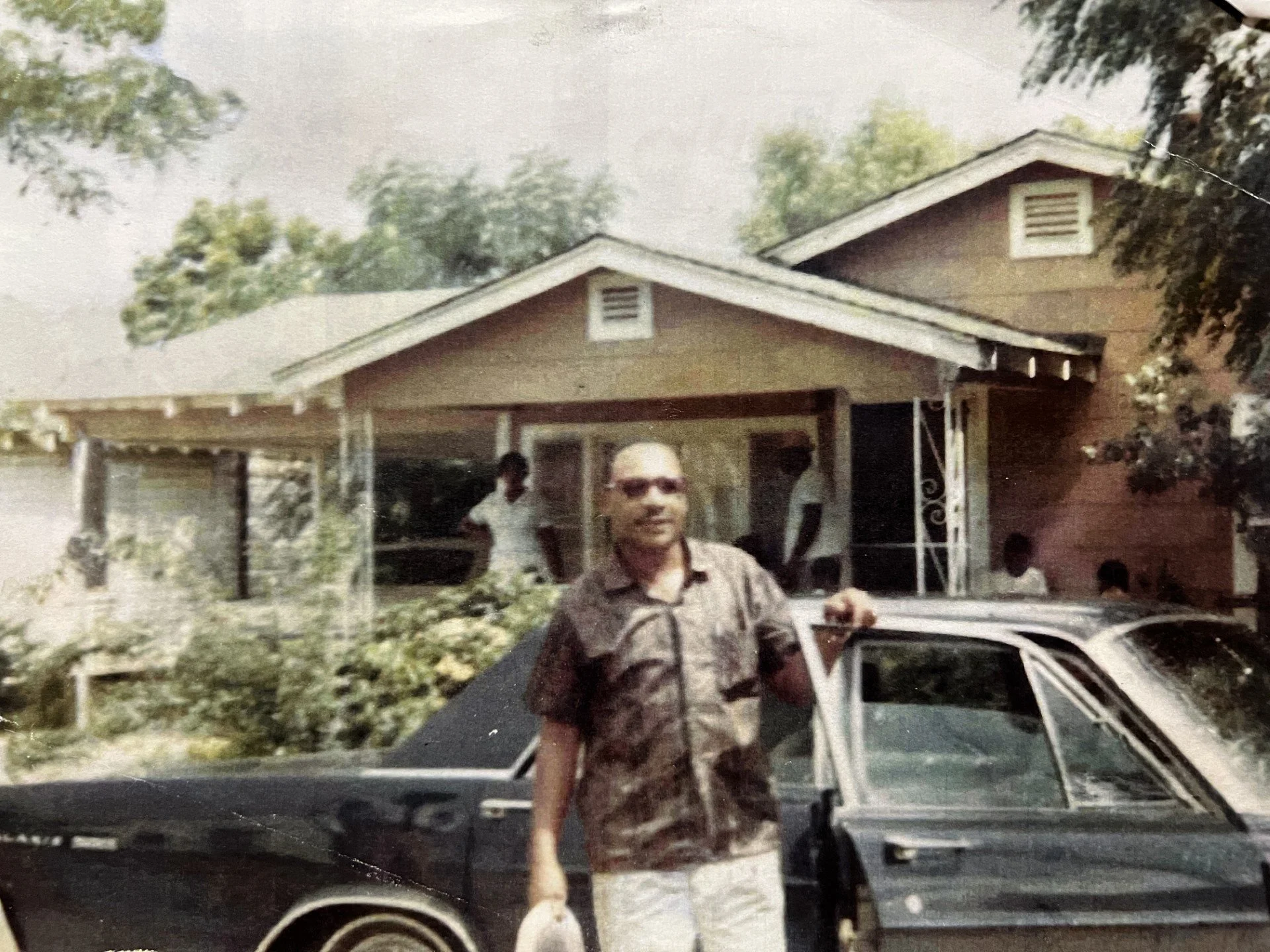
The modest house at 838 George Washington Avenue doesn’t look like much from the outside, but the Canton Freedom House played a pivotal role in the Civil Rights Movement as the local headquarters of the Congress of Racial Equality (CORE).
In 1963, grocery store owners George and Rembert Washington risked everything by renting their house to George Raymond, CORE’s Canton director. The couple’s courage created a headquarters for the local civil rights movement and a place to register Black voters. However, as soon as Raymond moved in, segregationists boycotted their business, and in 1964, white supremacists bombed the Freedom House. Though no one was injured, the violence emphasized the daily risks that civil rights workers and local CORE supporters faced.
Where Legends Walked
Through the Freedom House doors passed some of the most iconic figures of the Civil Rights Movement. Dr. Martin Luther King, Jr., Rev. Jesse Jackson, James Meredith, who was the first African-American student at the University of Mississippi, and Stokely Carmichael, one of the original Freedom Riders, and who also popularized the term “Black Power.” Also, musicians like Harry Belafonte and B.B. King all visited the movement’s headquarters and performed.
“We have pictures of Dr. King here, some pictures of the march, and pictures of some of the other things that happened.”
A Legacy Worth Preserving
Today, the Canton Freedom House is the last remaining Freedom House in Mississippi used by CORE, and for the past 20 years, Wells has been giving tours, welcoming visitors from Detroit, New York, New Orleans, and other cities across Mississippi.
“I’ve gotten compliments, I’ve gotten letters, I’ve gotten thank you cards, I’ve gotten books, readings, showing how thankful they were for the tour,” he says. “Most people right here in our city didn’t realize that we had this museum.”
Recognizing this gap, Wells took initiative. He obtained permission and contacted schools, churches, and various organizations throughout Canton to schedule tours and field trips.” They’ll walk up from the school up here to the museum,” he says.
More than a Museum
The Canton Multicultural Center & Museum also celebrates the history, family life, business, and life of African Americans.
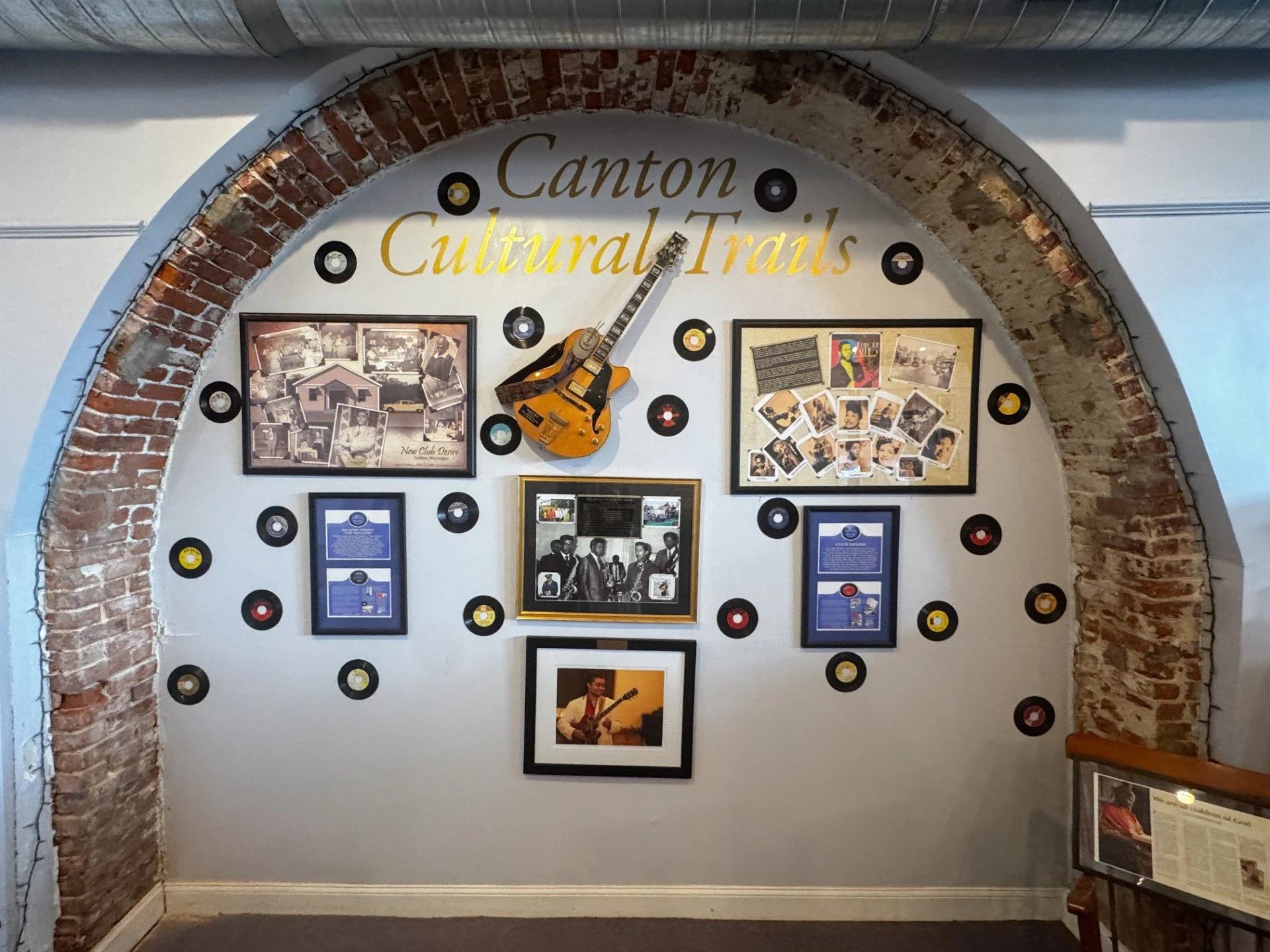
Inside the museum, visitors encounter numerous carefully curated exhibits. The Blues Cultural Wall commemorates the era when Canton was a stop for legendary performers such as B.B. King and Ethel Waters. Additionally, there’s a section dedicated to Sister Thea Bowman, a Canton native and the first African American member of the Franciscan Sisters of Perpetual Adoration, which features various artifacts from her life. Most recently, Sister Thea is being considered for sainthood.
For Wells, he personally drove Sister Thea Bowman to some of her engagements before she succumbed to cancer at the age of 52 in 1990. Additionally, when Harry Belafonte and Whoopi Goldberg came to Canton to work on a film project about Sister Thea’s life, Welch had the privilege of driving them around the city. Goldberg was in talks to portray Sister Thea, but the project was not completed before Sister Thea’s passing.
The Takeaway
When asked what he wants visitors to understand after their tour, Well’s response is clear and powerful: “To understand the struggle. To get knowledge of things that really happened. The major struggle that we went through to be able to vote, to hold office in Canton, and to get to where we are now and where we’re going.”
The Freedom House shows visitors not just where Canton has been, but how far the community has come, and how much work remains. “We still have some work to do,” Wells says.
“It tells our legacy and reminds us of the strength, the creativity, and the possibilities of change. “It’s the foundation that shaped our lives. To remember where we were, where we are now, and where we’re going.”
Visit and Remember
For Wells, every tour is an opportunity to pass on knowledge that can’t be found in textbooks. “There’s a variety of knowledge to learn something here in the museums that you could pass on,” he says.
While February may be designated as Black History Month, Billy Joe Wells reminds us that this history, the struggle, the triumph, and the continuing journey, deserve attention and honor every single day of the year.
And as he says, “I live it 365 days.”